Capturing Forever: The Art of Wedding Couple & Love Vectors
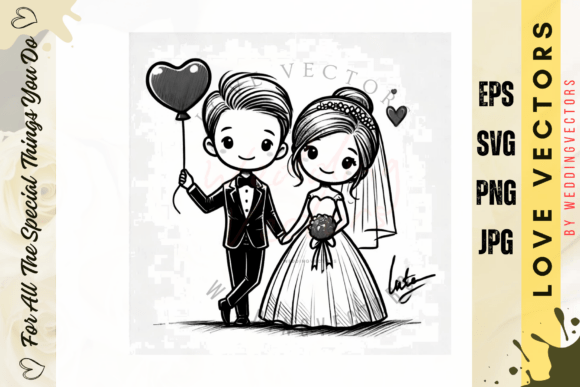
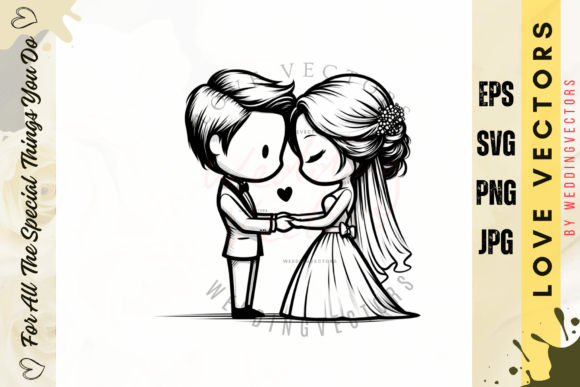
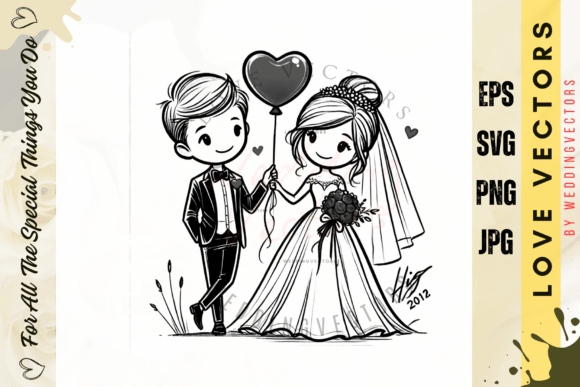
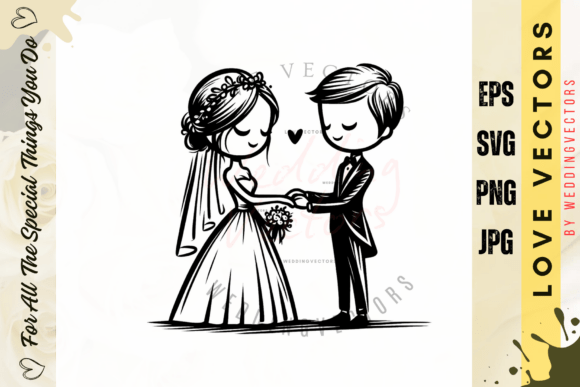
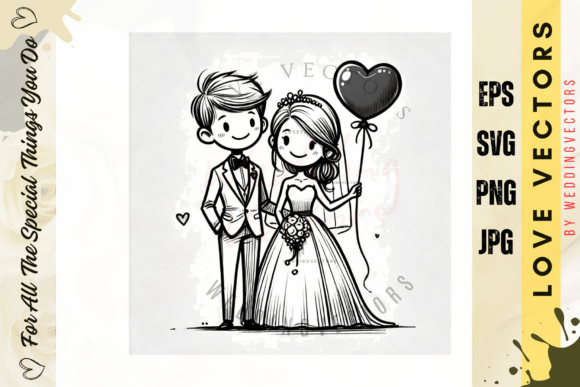
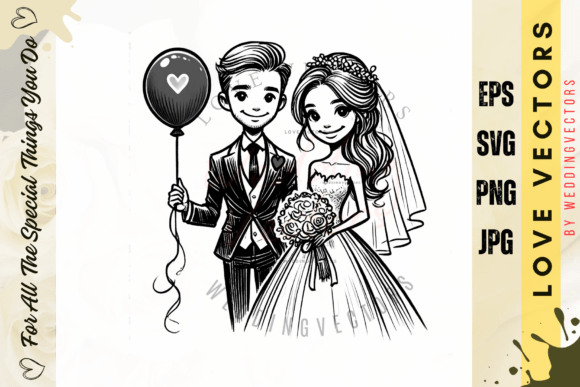
There’s a specific moment in wedding photography that every photographer chases. It isn’t the staged group shot or the cake cutting. It’s the fleeting, unposed glance between the couple—a look that says everything without a single word. Translating that raw, intimate emotion into graphic design is a challenge many designers face. We often rely on photography for emotion, but for branding, merchandise, and digital assets, vector art offers a level of versatility that photos simply cannot match. This is where the aesthetic of fine line art and specific vector sets, such as the one known as Wedding Couple and Love Vectors - C3852, enters the conversation. It isn't just about drawing two people; it's about capturing the "fine line" between individual existence and unified partnership.
The Allure of Minimalism in Matrimonial Design
For designers, small business owners, and content creators working within the wedding industry, the visual landscape can often feel cluttered. There is an abundance of cursive scripts, floral watercolor packs, and rustic textures. While these have their place, the current shift toward "Fine Line Wedding Artwork" offers a breath of fresh air. This style focuses on continuous line work, negative space, and an airy elegance that feels modern yet timeless.
The specific aesthetic of these love vectors lies in their ability to convey "profound love" through simplicity. By stripping away heavy shading and complex color palettes, the artwork forces the viewer to focus on the connection between the figures. This is incredibly valuable for branding. When you are building a brand identity for a wedding planner, a boutique jewelry store, or a romantic getaway hotel, you want imagery that suggests luxury and permanence without being visually noisy. This type of vector art acts as an emblem of an eternal bond, making it a powerful tool for visual communication.
From Digital Asset to Brand Identity: Practical Applications
If you are a creative entrepreneur or a marketer, you understand that a design asset is only as good as its utility. The versatility of a premium font or a high-quality vector set is measured by how many problems it can solve across different mediums. The "Wedding Couple and Love Vectors - C3852" style is not limited to wedding invitations; its application is surprisingly broad.
Consider the following practical uses where this intricate design pattern shines:
- Logo Design & Branding: For a wedding consultancy or a couples' therapy practice, a fine-line illustration of a couple can serve as a sophisticated logomark. It communicates the core service—unity and love—immediately.
- Packaging Design: Think beyond the wedding industry. Chocolate brands, perfume bottles, and high-end lingerie often utilize the imagery of a couple to evoke desire and connection. These vectors can be used as spot UV varnish effects or foil stamps on packaging to add a tactile, luxurious feel.
- Social Media Graphics: In the fast-scrolling world of Instagram and Pinterest, clean line art stands out. It serves as an excellent overlay for story backgrounds or as a central image for quotes about love and marriage. The simplicity ensures that text remains legible, a crucial factor for social media marketing.
- Merchandise and Printables: The "intricate yet charming" nature of these vectors makes them ideal for print-on-demand products. Mugs, tote bags, and framed prints for home decor benefit from artwork that feels personal and artistic rather than stock-generated.
- Web Design and Editorial Layouts: Website headers and blog post graphics often suffer from slow load times due to heavy images. Lightweight vector files (SVGs) maintain high quality at any resolution while keeping the site speed fast. They add a professional presentation to lifestyle blogs and editorial layouts without distracting from the written content.
Harmonizing Typography with Fine Line Art
Introducing a strong visual element like a wedding couple vector into your project requires careful consideration of typography. If the vector is the "star," the font is the supporting cast. You don’t want them competing for attention; you want them to harmonize.
When pairing fonts with this specific style of artwork, look for typefaces that share the same "DNA." Since the vectors involve intricate line work, avoid heavy, blocky display fonts that might crush the delicate details. Instead, consider these approaches:
- Modern Serifs: A high-contrast serif font can mimic the thick-and-thin variations of a brush or pen stroke found in the vector art. This combination works well for elegant editorial design and high-end branding.
- Handwritten and Script Fonts: While a classic choice for weddings, ensure the script you choose isn't too chaotic. A flowing, legible handwritten font can complement the organic nature of the love vectors.
- Clean Sans Serifs: If you want a contemporary look, pair the detailed artwork with a geometric sans serif. The clean lines of the typography will provide a resting place for the eyes, allowing the complexity of the vector to stand out.
The goal is visual consistency. Whether you are designing a wedding invitation or a marketing deck, the typography and the imagery should feel like they belong to the same family. This improves brand recognition and ensures that your message is received as professional and polished.
Designing for Emotion: The "Quintessence" Factor
Why do we gravitate toward art that depicts the "quintessence of wedded love"? It’s because design is ultimately about storytelling. When you use an asset like the Wedding Couple and Love Vectors - C3852, you aren't just filling white space; you are invoking an emotional response from your audience.
For a small business owner, this emotional resonance is currency. If you are selling wedding favors, your customer is buying a piece of a memory. If you are a photographer, your client is buying a feeling of safety and joy. The artwork you choose signals to your audience that you understand their emotional state. The "mesmerizing beauty" of fine line art suggests that you value subtlety and sophistication. It tells the viewer that your brand pays attention to the details.
However, there is a practical side to this emotion. Readability considerations must always take precedence. A beautiful image is useless if it obscures a "Call to Action" or makes a headline impossible to read. When integrating these vectors into digital products or marketing assets, always test the contrast. Ensure that the line weight of the vector doesn't vanish against a busy background, and verify that the artwork doesn't make the surrounding text feel cramped.
Navigating the Technical and Legal Landscape
Before finalizing a project using any design asset, a professional designer or business owner must look at the technical specifications and licensing. "Free" assets often come with a hidden cost—ambiguous licensing that puts your business at risk.
When working with premium vector sets, check the license terms carefully. Does the license allow for the creation of physical products (merchandise)? Is it cleared for use in digital templates for resale? These are critical questions for entrepreneurs. Furthermore, review the included file formats. A versatile set should include AI, EPS, and SVG formats to ensure scalability across print and web platforms.
Finally, test the asset in black and white. While color adds mood, the structure of the "love vectors" must hold up in monochrome. This is essential for applications like watermarks, engraving on metal (for jewelry branding), or single-color print jobs. The "intricate design pattern" should remain legible and charming even when stripped of color, proving its worth as a fundamental part of your design toolkit.
In the end, incorporating fine line wedding artwork into your projects is about elevating the standard. It moves your designs away from generic templates and toward a bespoke aesthetic that captures the profound, timeless beauty of human connection. Whether for a logo, a website, or a simple social post, it serves as a reminder that in design, as in love, the smallest lines often make the biggest impact.